
Thundelarra Station - Historical Profile
Thundelarra is a particularly interesting former pastoral station in the Murchison region. Its history goes back to the early pastoral expansion of Western Australia, and it eventually became part of the State's conservation estate.
Unlike some of the other former stations, Thundelarra has a fairly well-documented early pastoral history, including several named pastoralists.
Original recorded area (1897) - 80,937 ha
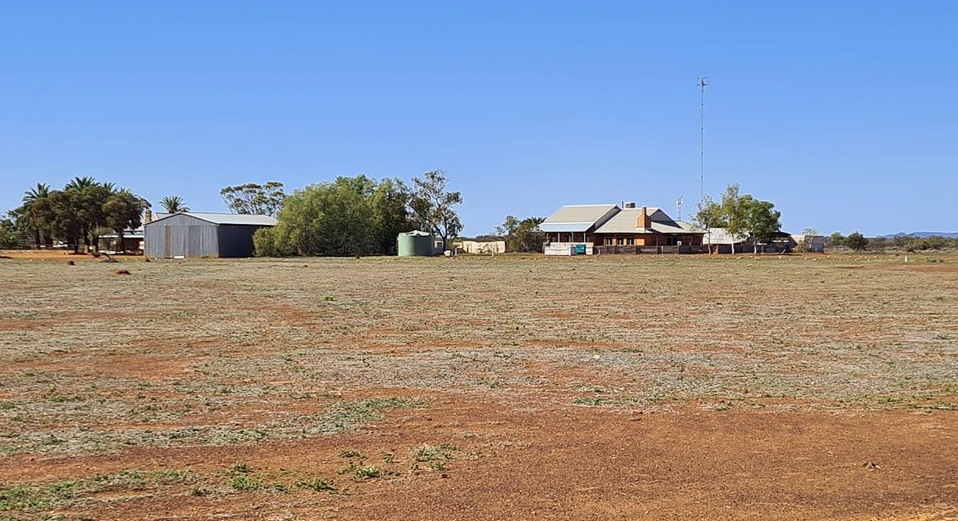
Location and original property statistics
Thundelarra is situated approximately:
-
70 km south-east of Yalgoo.
-
160 km north of Dalwallinu.
-
Within the Shire of Yalgoo, in the Murchison region.
It was traditionally a sheep and goat station, characterised by open mulga woodlands, sandy scrubland and seasonal wildflower displays.
Ownership history – early pastoral days
The following is the historical succession identified in the available records.
Before 1891 – Samuel Eakins and S.F. Moore
The early station was associated with Samuel Eakins and S.F. Moore, who operated as partners. Samuel Eakins was particularly successful in managing the property.
The Eakins brothers had also established several surrounding pastoral leases.
Late 1880s – drought and financial difficulties
A prolonged drought eventually forced Eakins out of the property. The station subsequently came under Frank Pearce, but the property was reportedly left unused and became deserted.
1897 – sale of the property
Historical accounts record that the partners sold the property in 1897, when it covered approximately 200,000 acres and carried 1,490 sheep, seven cattle and ten horses.
Alexander Beaton
Frank Pearce subsequently sold the property to Alexander Beaton, who had made his fortune from gold mining in the Pilbara.
Beaton acquired considerable pastoral interests around Cue, including Thundelarra.
John Beaton
Alexander's son, John Beaton, settled at Thundelarra and developed the station into a substantial pastoral operation.
Under the Beaton family's management, the station prospered during favourable seasons, eventually reaching approximately 28,500 sheep in 1928.
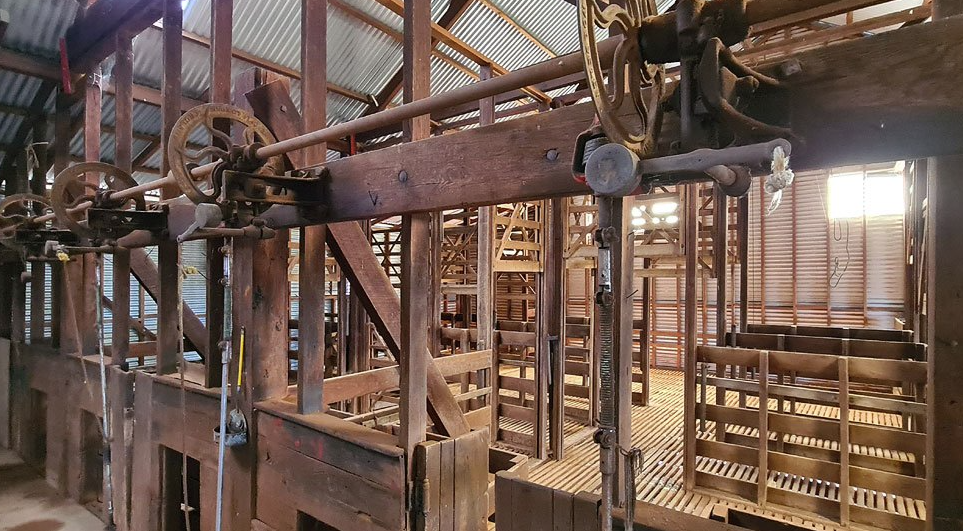
Pastoral production and station life
Thundelarra was a productive sheep station during its pastoral years.
Some interesting historical records include:
|
Year |
Historical record |
|---|---|
|
1897 |
1,490 sheep, 7 cattle, 10 horses |
|
1906 |
76 bales of wool sold at London Colonial Wool Sales |
|
1907 |
106 bales of wool sold |
|
1910 |
167 bales of wool recorded at January sales |
|
1912 |
Estimated flock of 15,000 sheep |
|
1928 |
Flock reached approximately 28,500 sheep |
The station had a six-stand shearing shed, with shearing traditionally commencing in early September.
Dingoes were also a significant problem for pastoralists. Historical correspondence shows that Chas Beaton approached the Minister for Lands seeking an increase in the bounty paid for dingoes.
These details provide a good picture of the challenges of running a remote sheep station in the early 1900s.
Transfer to the State Government
Thundelarra was purchased for conservation purposes in June 2007.
The purchase price was $803,000, jointly funded:
-
50% from the Australian Government's Natural Heritage Trust / National Reserve System.
-
50% from Western Australia's Department of Environment and Conservation.
The intention was to remove pastoral grazing and allow the natural environment to regenerate.
A 2015 parliamentary answer confirmed that the property was being managed by the Department of Parks and Wildlife, although formal reservation was still awaiting government approvals and resolution of native title matters.
https://www.google.com/maps/d/u/0/edit?mid=1LDNOZlD-sRdgYbS6-Xt_loto44aXmtg&usp=sharing