
Warriedar Station - Historical Profile
Warriedar Station, in Western Australia's Mid-West, has a fascinating history dating back to the late 1880s. It began as a family pastoral operation, became associated with the development of the local goldfields, and eventually underwent a major transition from pastoral use to conservation.
The original Warriedar Station, covered approximately 72,200 hectares (178,500 acres).
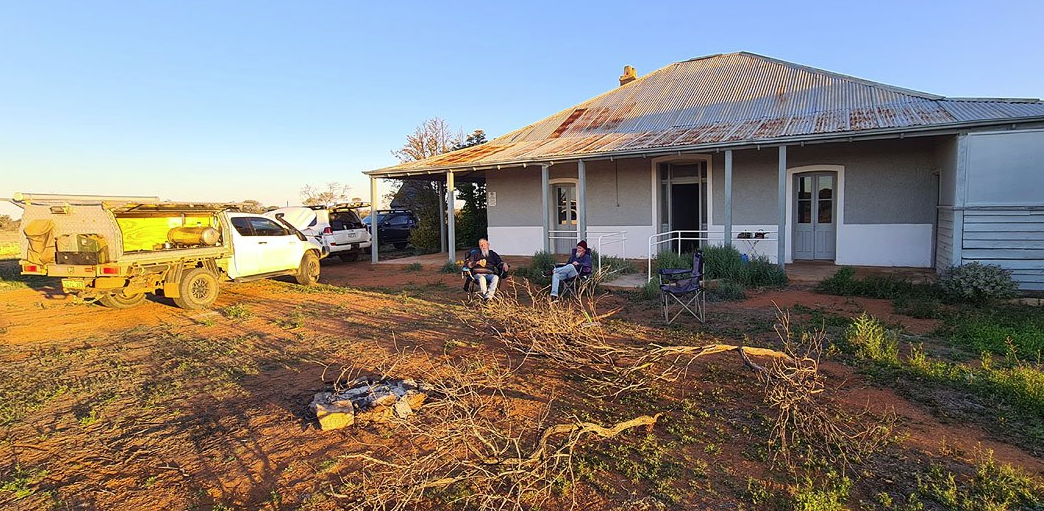
One important distinction: there are historical Warriedar pastoral and homestead records around both the Perenjori and Yalgoo districts. The large former station that became part of Karara Rangeland Park is the one most relevant to the conservation story.
1. The original family ownership – the Oliver brothers
The pastoral history dates to 1887, when three brothers, George, Edward and Thomas Oliver, took up the pastoral lease.
- George Oliver
- Edward Oliver
- Thomas Oliver
The lease was registered in the name of Jane Oliver, one of the brothers' wives.
The original property covered approximately 72,200 hectares according to historical research.
The Olivers were among the early pastoral pioneers in the district. Thomas also had an interest in a wayside inn known as the Shadow of Death, at Golden Grove.
The family remained associated with Warriedar for several decades.
2. The pastoral business changes hands
An interesting historical discovery is recorded in the Western Australian Government Gazette of 12 May 1933.
The partnership involving Henry Frederick Broad and George Leslie McKenna, who had been operating Warriedar and Melangatta stations, was dissolved.
The Gazette specifically records:
Warriedar Station was acquired by Wagga Wagga Pastoral Company Limited in 1933.
This is a useful primary historical record because it confirms that the property had moved beyond the original Oliver family ownership by that time. MAY 12, 1933
3. The gold and copper mining era
Warriedar wasn't just a sheep station.
It was also an important part of the surrounding mining district.
Some interesting historical figures:
- 1913 -1935: Approximately 148 kg of gold produced in the Warriedar mining district.
- 1920 - 923: The mining town experienced its peak period.
- Around 1940: The Warriedar State Battery ceased operating.
- 1958 - 1969: Copper mining produced more than 2,200 tonnes of ore.
The mining industry helped sustain the district long after its original gold rush had passed.
People of Western Australia's Ghost Towns
4. The end of private pastoral ownership
This is where the story becomes particularly interesting.
Between 1995 and 2007, the WA Government purchased six former pastoral leases, including Warriedar, which ultimately became part of Karara Rangeland Park.
By 2006, the Department of Environment and Conservation (DEC) was managing Warriedar as a former pastoral lease.
The pastoral operation had been destocked, and the management objective had shifted towards environmental restoration rather than commercial sheep grazing.
5. What is Warriedar today?
Today, Warriedar is no longer an operating pastoral station.
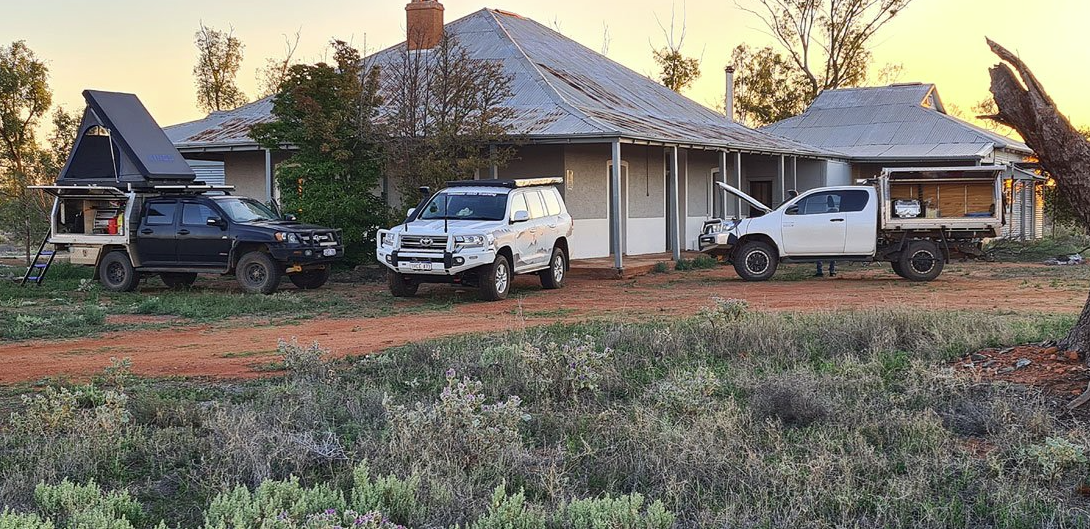
It forms part of Karara Rangeland Park, managed by the Department of Biodiversity, Conservation and Attractions (DBCA).
There are some important surviving heritage features:
- The historic homestead.
- The shearers' quarters.
- Workshops and associated station infrastructure.
- Evidence of the former pastoral and mining industries.
A 2024 heritage investigation confirms that the homestead, workshops and shearers' quarters were still standing, although much of the other infrastructure had been demolished or buried.
https://www.google.com/maps/d/u/0/edit?mid=1LDNOZlD-sRdgYbS6-Xt_loto44aXmtg&usp=sharing